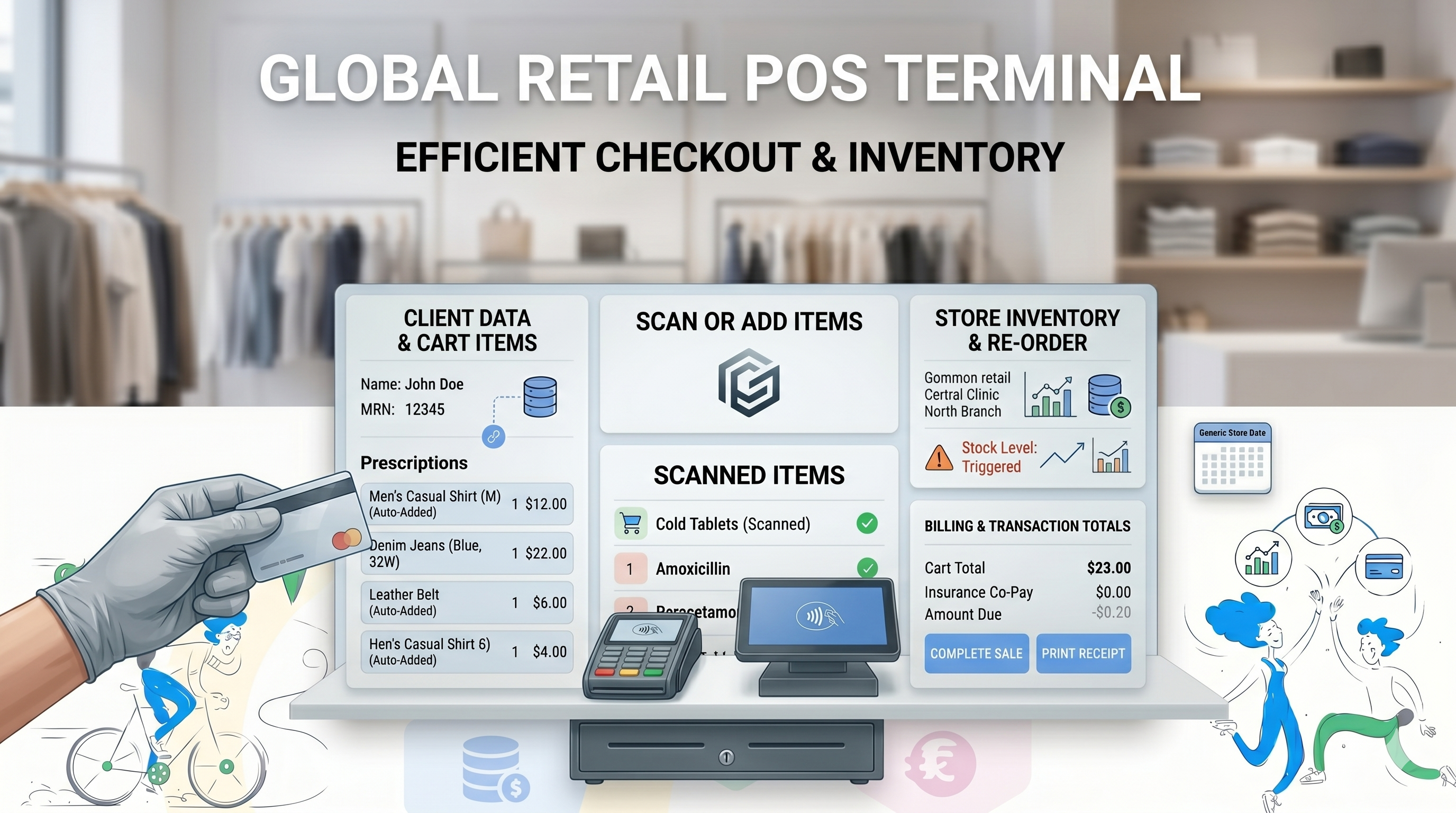
POS
1. Multi-Tenant Architecture & Data Flow
To serve multiple hospitals, the system typically relies on a centralized cloud infrastructure (often utilizing advanced relational database strategies like PostgreSQL table partitioning for data isolation and high-speed querying).
-
Centralized Control, Localized Execution: Each hospital operates as a "tenant" or "branch" within the system. The central administration can view aggregate data across all branches, while local pharmacy staff only access data relevant to their specific hospital.
-
Real-Time Synchronization: Secure webhook APIs ensure that cross-application data synchronization occurs instantaneously between the core HIMS and the local POS terminals, preventing data silos.
2. Core Modules & Functionality
A. HIMS Integration & Automated Prescriptions
This module bridges the clinical and operational sides of the hospital.
-
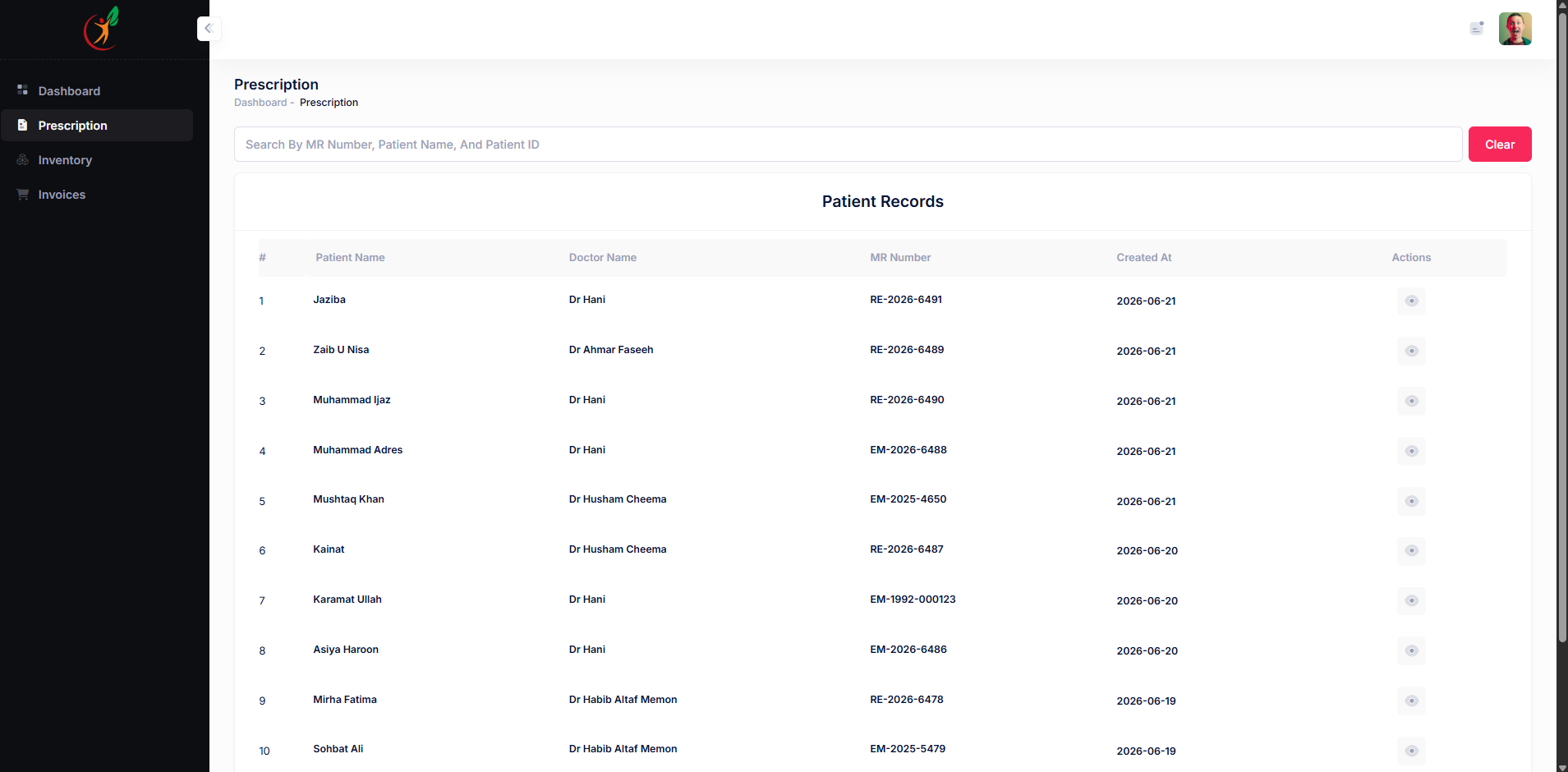
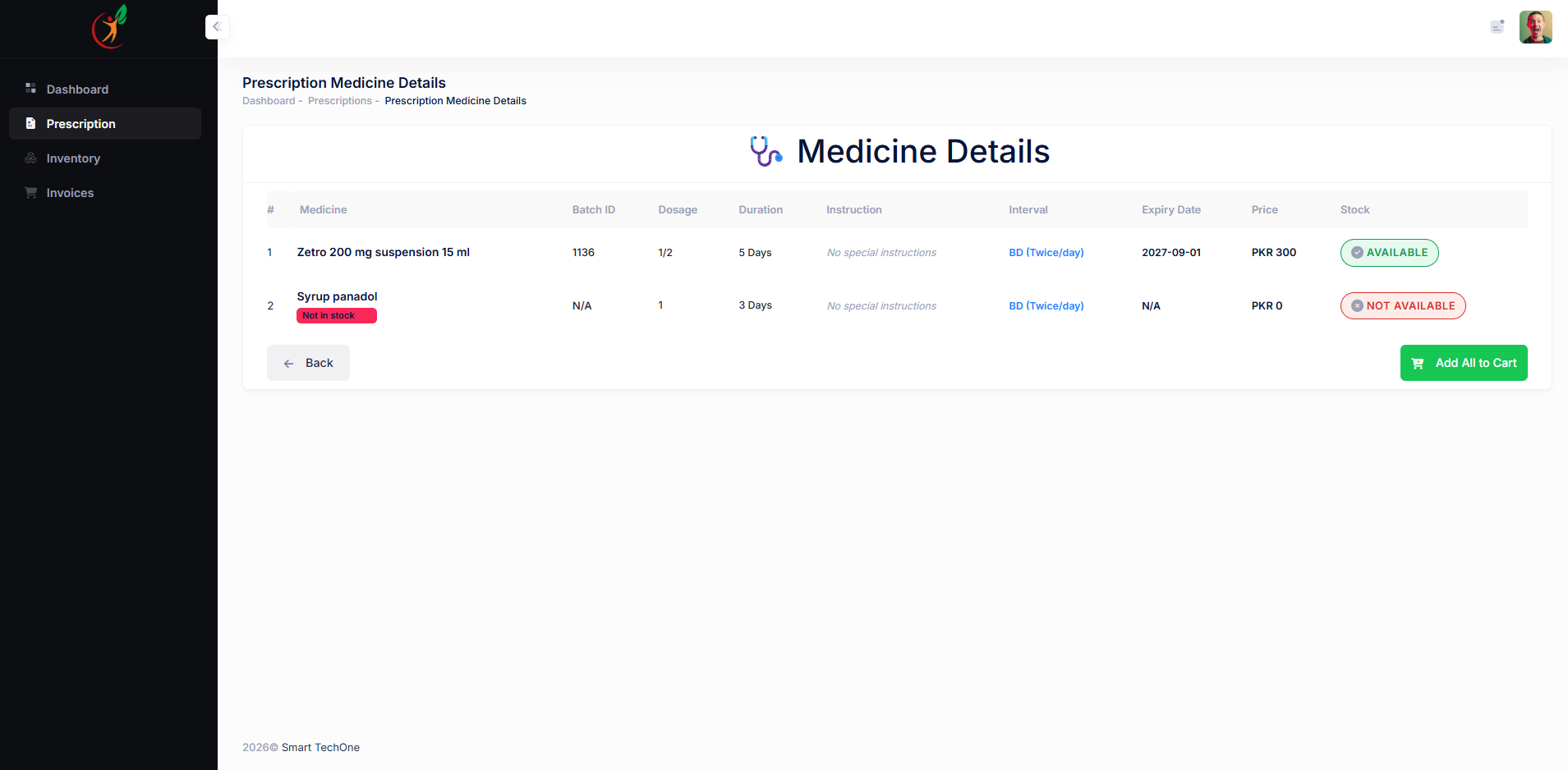
The e-Prescription Pipeline: When a doctor submits a digital prescription through the HIMS clinic module, the payload is immediately broadcasted to the pharmacy system.
-
Patient Lookup: When the patient arrives at the pharmacy, the pharmacist enters their Medical Record Number (MRN), scans their patient ID card, or searches by name.
-
Automated Cart Population: The POS securely queries the HIMS database. Active, unfulfilled prescriptions for that MRN are retrieved, and the prescribed medicines, dosages, and quantities are automatically populated into the POS staging cart.
-
Clinical Guardrails: The system flags potential drug interactions or allergies based on the patient's HIMS medical history before the pharmacist finalizes the dispense.
B. Barcode Scanning & Cart Management
Speed and accuracy at the counter are heavily reliant on hardware integration and inventory mapping.
-
Hardware Interface: The POS interfaces with standard 1D/2D barcode scanners (typically acting as Human Interface Devices).
-
GS1 Standard Parsing: Medical barcodes often contain more than just the product ID; they include batch numbers and expiry dates. The system parses this composite data string in a single scan.
-
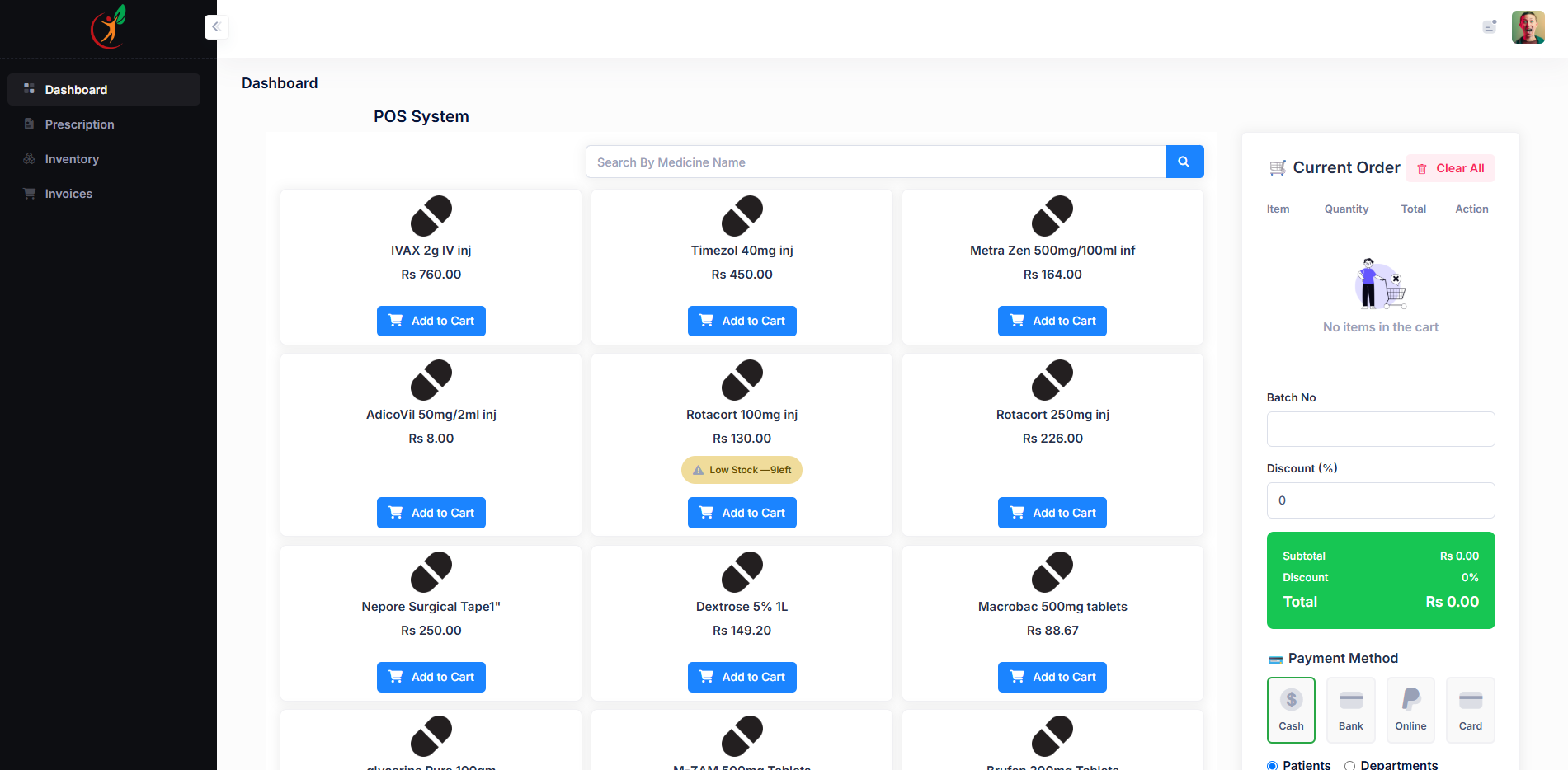
Scan-to-Cart Workflow: For over-the-counter items or additions to a prescription, the pharmacist scans the medicine. The system instantly cross-references the internal SKU database, adds the item to the active cart, and decrements the staging inventory.
C. Centralized Inventory Management
Managing pharmaceutical stock across multiple hospitals requires strict oversight to prevent stockouts and manage expirations.
-
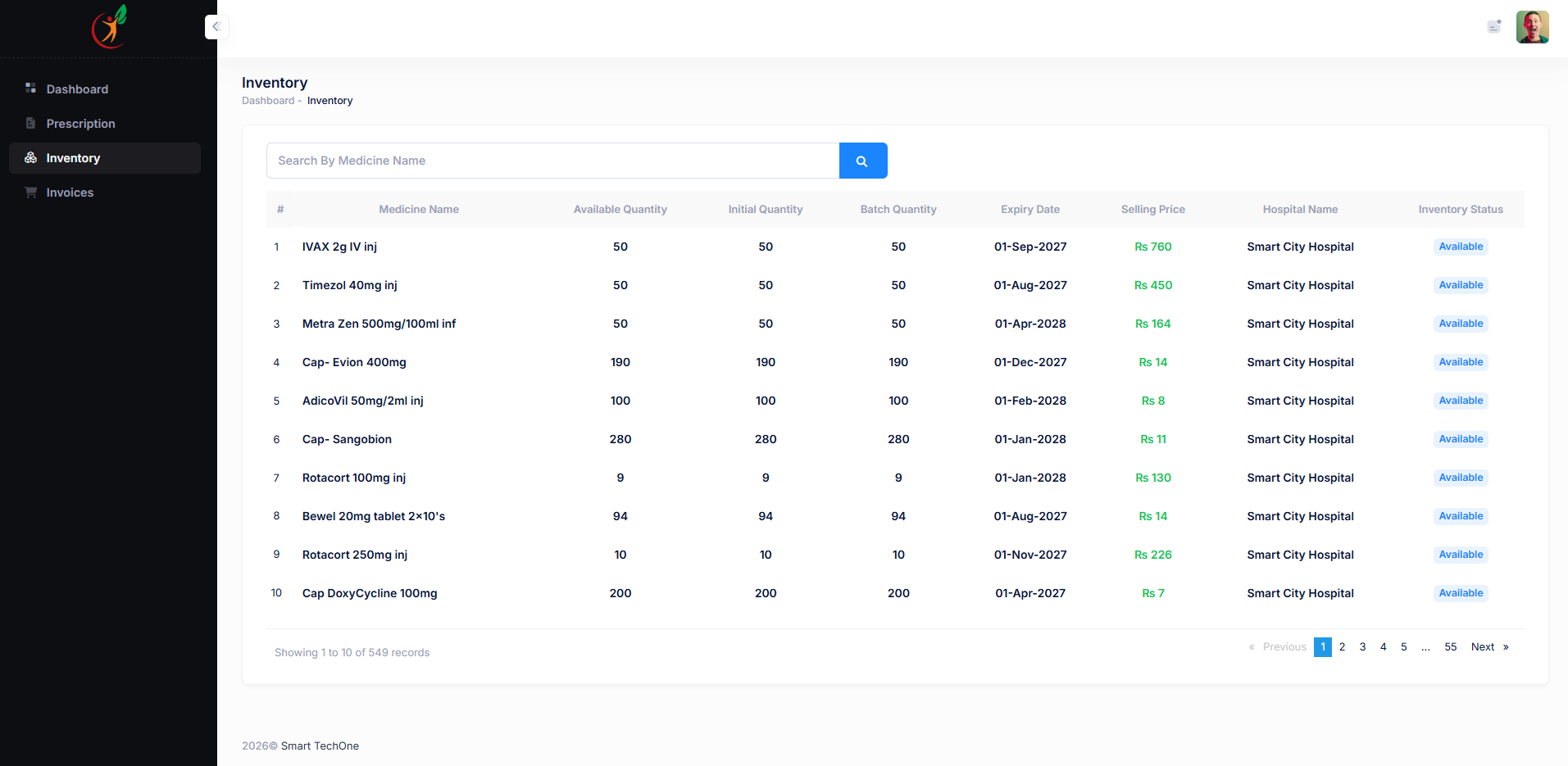
Multi-Location Tracking: The system tracks inventory at a macro level (the central warehouse) and a micro level (individual hospital pharmacies and specific aisle/bin locations).
-
Automated Stock Depletion: When a POS transaction is completed, the inventory is immediately deducted from that specific hospital's ledger via atomic database transactions to prevent race conditions.
-
Expiry & Reorder Alerts: The dashboard provides automated alerts for medicines approaching their expiration dates (facilitating First-In-First-Out or First-Expired-First-Out workflows) and triggers automated purchase orders when stock hits predefined minimum thresholds.
D. Billing & Revenue Management
The billing engine must handle complex healthcare financial structures.
-
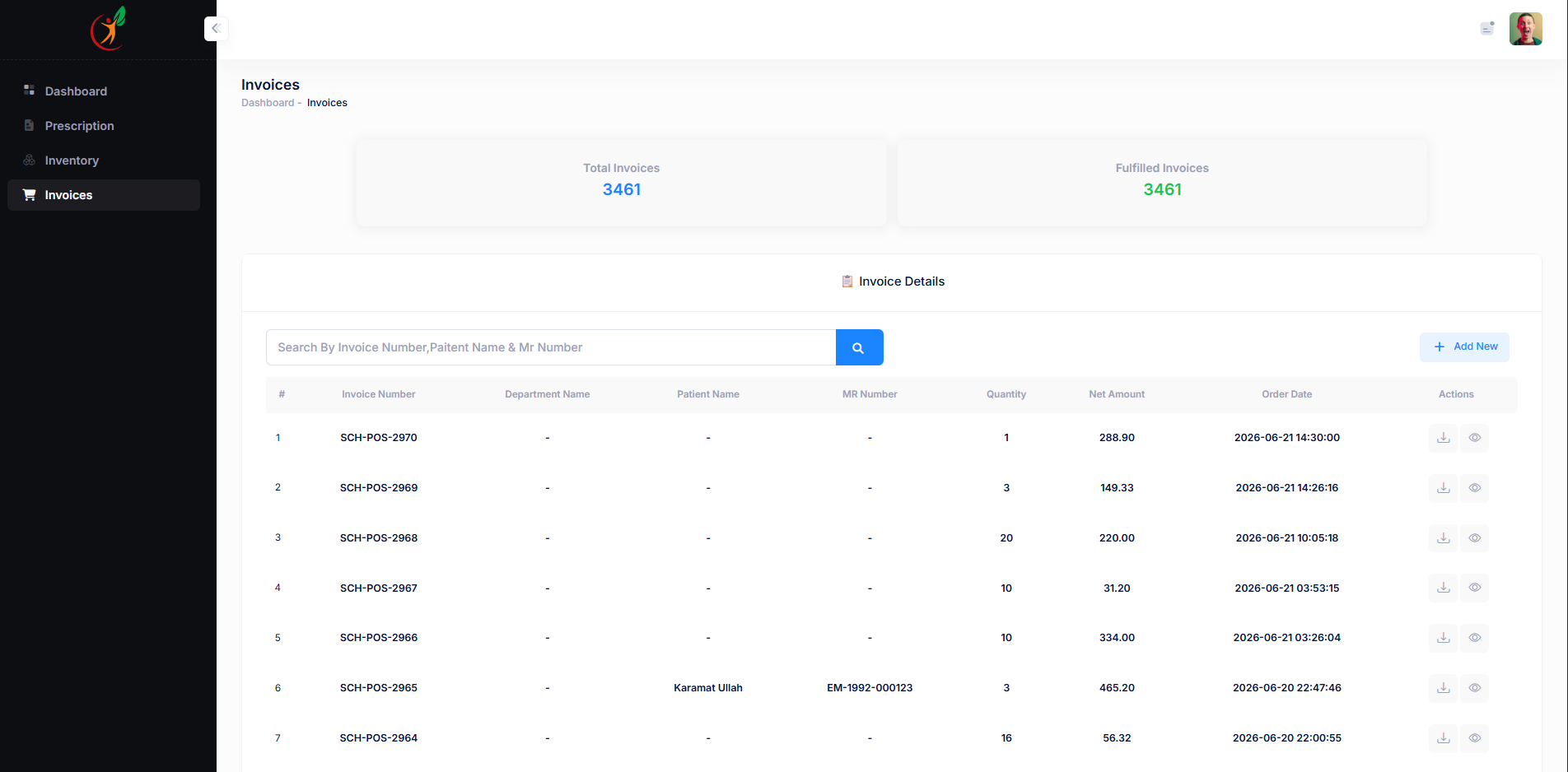
Multi-Modal Payments: The POS accepts integrated card payments, cash, and digital wallets, automatically reconciling these against the patient's mr number.
-
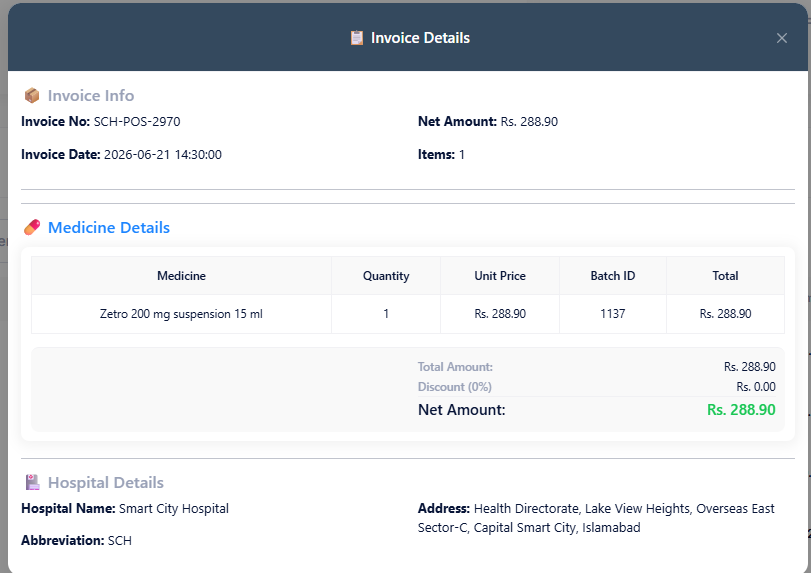
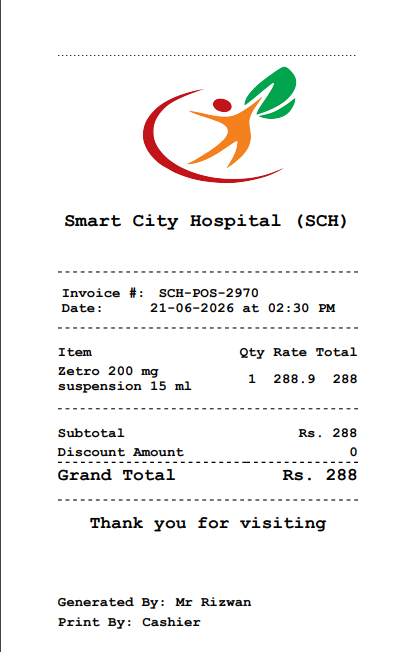
Taxation & Compliance: It applies regional taxation rules to specific items (as some medical supplies may be tax-exempt) and generates compliant, itemized receipts.